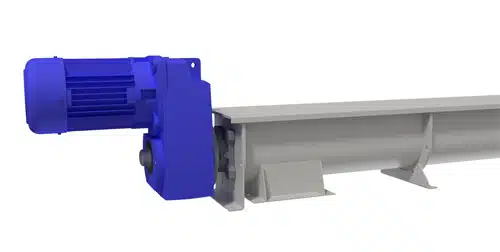
Bentonite
(Al₂H₂O₁₂Si₄)·nH₂O · Montmorillonite Clay · Fuller's Earth · Sodium Bentonite · Calcium Bentonite
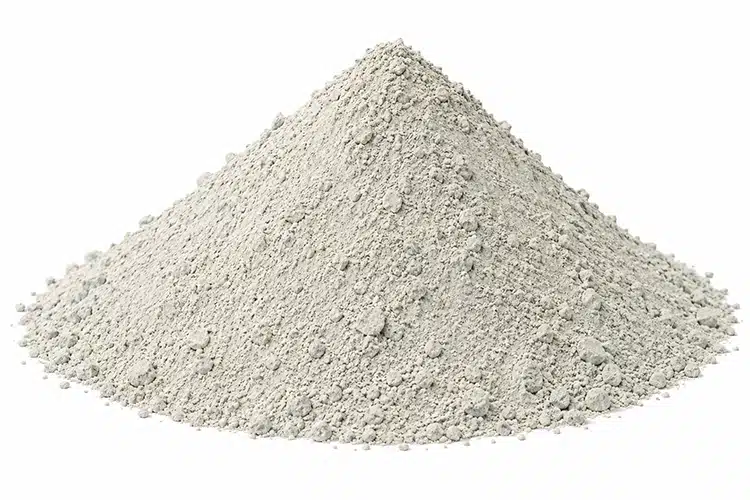
Bentonite is a fine-grained natural clay formed primarily of montmorillonite. It has exceptional swelling, adsorption, and binding properties when exposed to water. Depending on its composition, it may be sodium- or calcium-based, which affects its behavior in bulk handling. Dry bentonite is dusty and cohesive, while moist bentonite can become sticky and difficult to discharge. KWS designs conveying systems to manage these flow challenges through robust, controlled, and enclosed solutions.
Overview
Chemical Formula
Common Names
Common Forms
Applications
- Drilling mud and fluid sealing applications
- Foundry mold binding and metallurgical processes
- Absorbents and cat litter
- Pelletizing and soil conditioning
- Pharmaceuticals and cosmetics
Material Characteristics
| Property | Value / Description |
|---|---|
| Common Forms | Powder, Granules, Moist Clay |
| Bulk Density | 40–65 lb/ft³ (depends on moisture and compaction) |
| Flow Behavior | Cohesive, adhesive, and prone to bridging when moist |
| Abrasiveness | Low to Moderate may cause gradual wear |
| Corrosiveness | Not Corrosive but can retain moisture |
| Dust Potential | High fine particles require dust control and filtration |
Handling Challenges
- Bridging and ratholing in bins and hoppers
- Caking and buildup on conveyor surfaces
- Dust generation requiring enclosed conveying systems
- Sticky or sluggish flow when moisture is present
- Inconsistent feeding and compaction during transfer
Summary
Bentonite requires conveying and storage systems designed for cohesive, moisture-sensitive materials. KWS Manufacturing provides engineered solutions—including screw conveyors, drag conveyors, and live bottom bins—that ensure consistent flow, minimize buildup, and contain dust emissions.
With extensive experience handling clays and fine powders, KWS ensures efficient, reliable, and low-maintenance operation for bentonite handling systems.