Activated Carbon
Carbon (C) · Activated Charcoal · Carbon Black
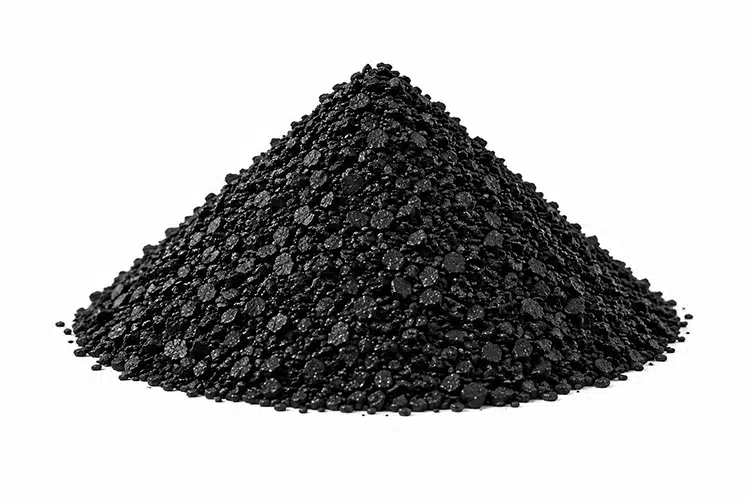
Activated carbon is a porous form of carbon produced by heating organic materials such as coal, coconut shells, or wood under controlled conditions. It possesses an extremely high surface area that enables excellent adsorption properties, making it ideal for purification and filtration applications. Due to its lightweight, dusty, and sometimes explosive nature, activated carbon requires specialized conveying and containment equipment.
Overview
Chemical Formula
Common Names
Common Forms
Applications
- Water and wastewater treatment
- Air and gas purification systems
- Food and beverage decolorization
- Pharmaceutical and chemical processing
Material Characteristics
| Property | Value / Description |
|---|---|
| Common Forms | Powdered Activated Carbon (PAC), Granular Activated Carbon (GAC), Pelletized Carbon |
| Bulk Density | 15–35 lb/ft³ (depends on grade and moisture) |
| Flow Behavior | Free-flowing to sluggish depending on moisture and particle size |
| Abrasiveness | Low minimal wear on contact surfaces |
| Corrosiveness | Not Corrosive |
| Dust Potential | High fine powders require dust collection and explosion protection |
Handling Challenges
- High dust generation leading to potential fire or explosion hazards
- Flood-feeding and erratic discharge rates
- Material loss due to aeration and carryover
- Settling and segregation during storage and conveying
- Environmental and safety concerns from airborne carbon dust
Summary
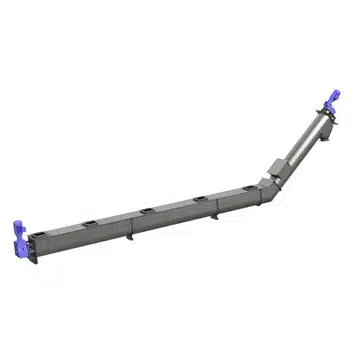
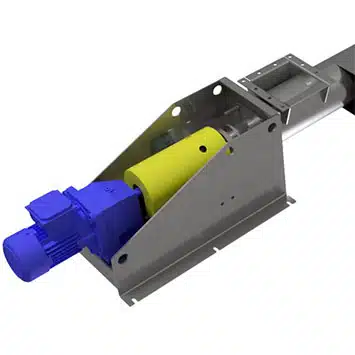
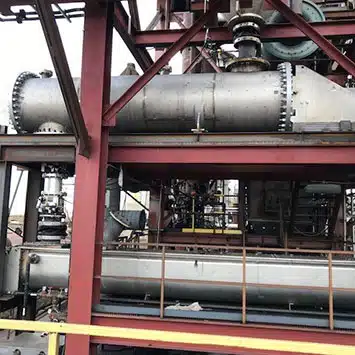
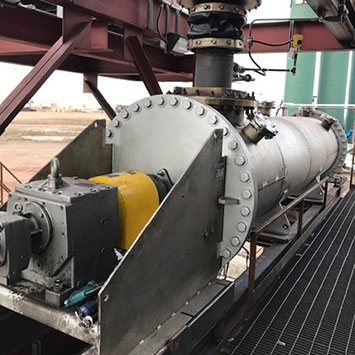
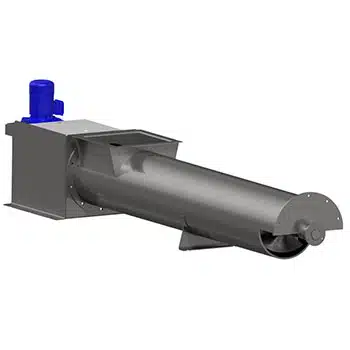
Activated carbon requires careful handling to control dust emissions and prevent material loss or fire hazards. KWS Manufacturing provides engineered solutions including enclosed screw conveyors, drag conveyors, and screw feeders designed for containment and consistent flow.
With deep experience in handling lightweight, fine, and explosive materials, KWS ensures safe, efficient, and long-lasting performance in activated carbon conveying systems.