Lime Kiln Dust
Calcium Oxide (CaO) · Calcium Carbonate (CaCO₃) with trace oxides · LKD · Cement Kiln Dust · Lime Fines
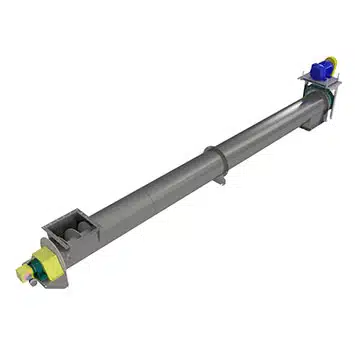
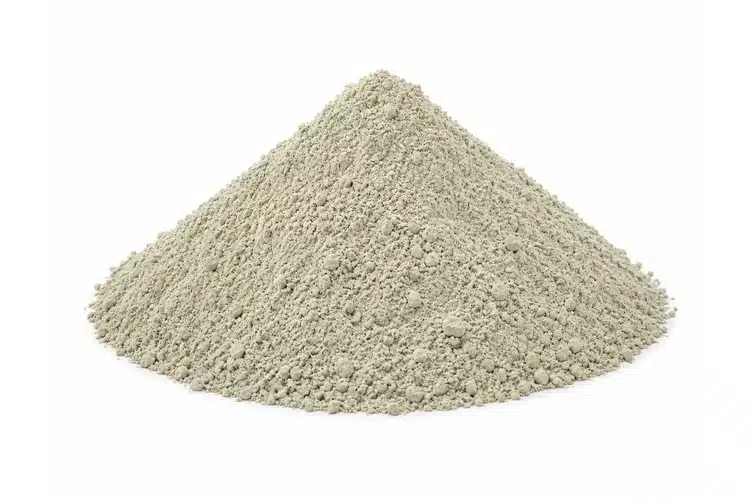
Lime kiln dust (LKD) is a fine, powdery byproduct generated during the production of quicklime in rotary kilns. It contains a mixture of calcium oxide, calcium carbonate, and small quantities of other oxides and silicates. LKD is highly alkaline and reactive with moisture, which can cause caking, buildup, and dusting issues during handling. KWS designs equipment solutions that address these challenges through dust control, wear resistance, and controlled feeding systems.
Overview
Chemical Formula
Common Names
Common Forms
Applications
- Soil stabilization and drying
- Asphalt and road base modification
- Cement and concrete manufacturing
- Environmental remediation and flue gas treatment
Material Characteristics
| Property | Value / Description |
|---|---|
| Common Forms | Fine Powder, Dry, Slightly Moist |
| Bulk Density | 40-65 lb/ft³ (varies with moisture and composition) |
| Flow Behavior | Cohesive, fluidizable, prone to bridging and caking |
| Abrasiveness | Moderate Contains hard mineral particles |
| Corrosiveness | Moderate Alkaline and reactive with moisture |
| Dust Potential | High Fine particles easily become airborne |
Handling Challenges
- Severe dusting during conveying and transfer
- Caking and buildup in bins, chutes, and conveyors
- Corrosion and wear due to alkalinity and abrasiveness
- Bridging and ratholing in storage silos
- Safety hazards from exothermic reaction with moisture
Summary
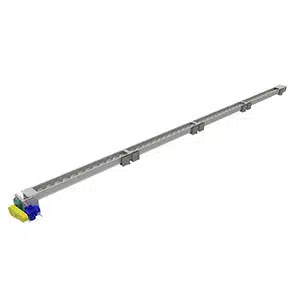
Lime kiln dust is a challenging bulk solid that requires equipment designed for dust containment, abrasion resistance, and controlled material flow. KWS Manufacturing provides engineered conveying systems—such as screw conveyors, drag conveyors, and live bottom bins—to manage LKD safely and efficiently.
With extensive experience in handling alkaline and dusty bulk materials, KWS ensures long-lasting performance and reduced maintenance for lime kiln dust handling applications.