
Bran
(C₆H₁₀O₅)n · Wheat Bran · Rice Bran · Oat Bran · Corn Bran · Cereal Bran
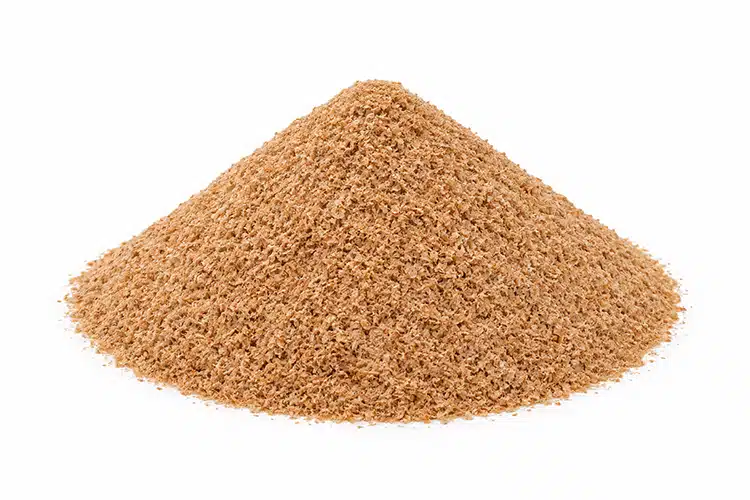
Bran is the outer layer of cereal grains separated during milling and is rich in fiber, oils, and nutrients. It is lightweight, flaky, and moisture-sensitive, which makes it prone to dusting, bridging, and inconsistent flow. Bran can also become rancid if exposed to heat or moisture for extended periods. KWS designs conveying systems that promote gentle handling, consistent feeding, and effective dust control in bran processing applications.
Overview
Chemical Formula
Common Names
Common Forms
Applications
- Animal feed and pet food production
- Cereal and baked goods manufacturing
- Nutritional supplements and health foods
- Composting and biomass fuel feedstock
Material Characteristics
| Property | Value / Description |
|---|---|
| Common Forms | Flakes, Powder, Pelletized Form |
| Bulk Density | 12–25 lb/ft³ (depends on moisture and compaction) |
| Flow Behavior | Poorly flowing; lightweight and prone to bridging |
| Abrasiveness | Low non-abrasive organic material |
| Corrosiveness | Not Corrosive but may support microbial growth when moist |
| Dust Potential | High fine particles are combustible and require dust management |
Handling Challenges
- Bridging and ratholing in hoppers due to low bulk density
- Combustible dust hazard requiring explosion protection systems
- Material segregation during conveying and storage
- Degradation and loss of nutritional value from excessive handling or heat
- Sanitation and cleaning requirements for food-grade operations
Summary
Bran requires conveying and storage systems designed for lightweight, fibrous, and moisture-sensitive materials. KWS Manufacturing provides engineered conveying solutions—including screw conveyors, drag conveyors, and bucket elevators—that ensure reliable flow, minimize dust, and maintain product quality.
With extensive experience handling agricultural and food processing byproducts, KWS ensures efficient, safe, and sanitary operation for bran conveying systems.